

A Journey Through Time: Buddhism and History in Sri Lanka
Yaah Articles
7 min read
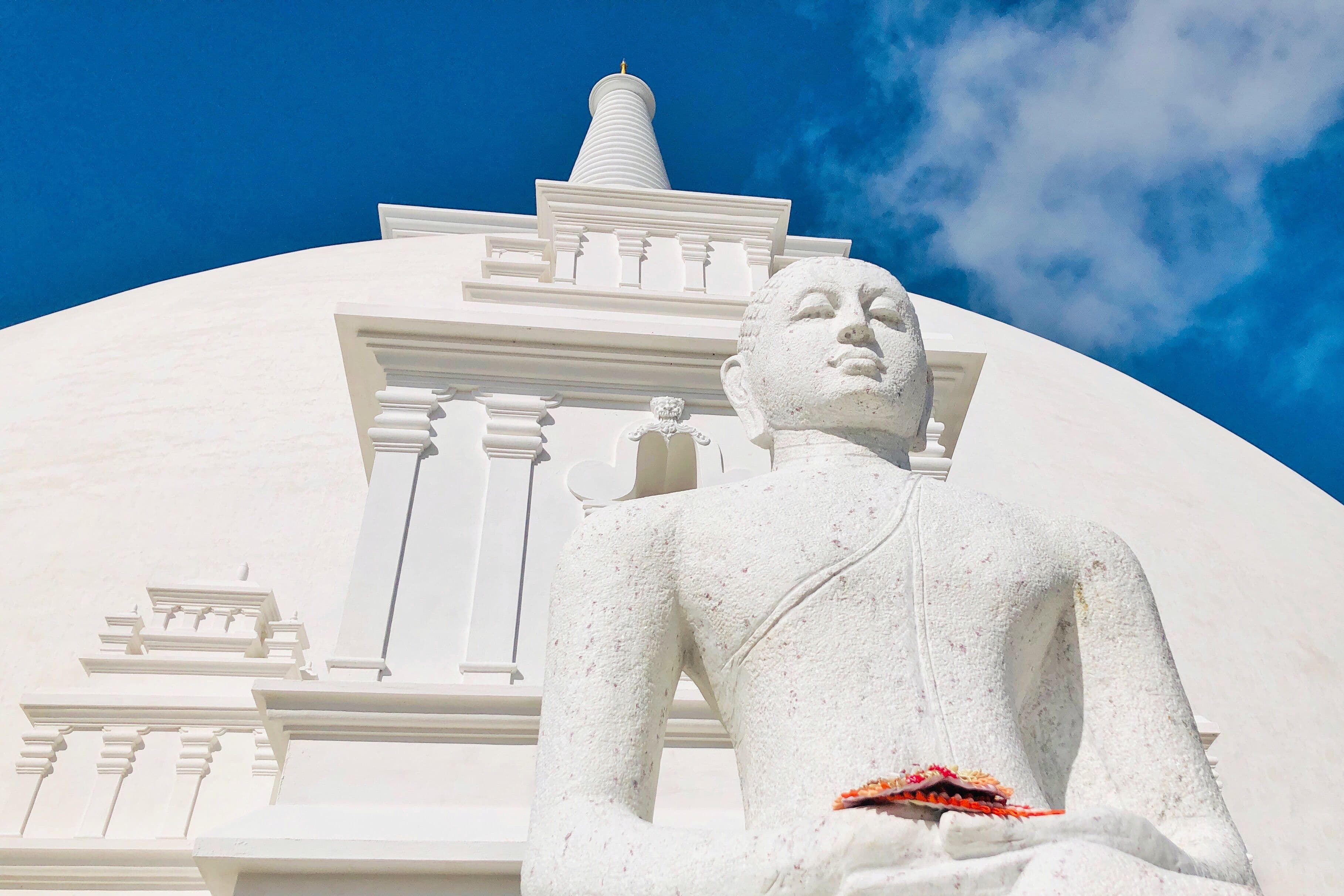
Sri Lanka's history is inextricably linked with Buddhism. Introduced to the island in the 3rd century BCE by Mahinda, the son of the Indian Emperor Ashoka, Buddhism quickly became the cornerstone of Sinhalese culture, shaping its art, architecture, and daily life for millennia.
Anuradhapura: The First Capital
To understand Sri Lanka's Buddhist heritage, one must start at Anuradhapura. Serving as the capital for over a millennium, this ancient city is home to colossal dagobas (stupas) that rival the pyramids of Egypt in scale. The Ruwanwelisaya, with its gleaming white dome, remains a central site of worship today.
Perhaps the most significant living monument in Anuradhapura is the Sri Maha Bodhi. This sacred fig tree was grown from a cutting of the original Bodhi tree in Bodh Gaya, India, under which the Buddha attained enlightenment. It is the oldest historically authenticated tree in the world, tended by guardians for over 2,000 years.
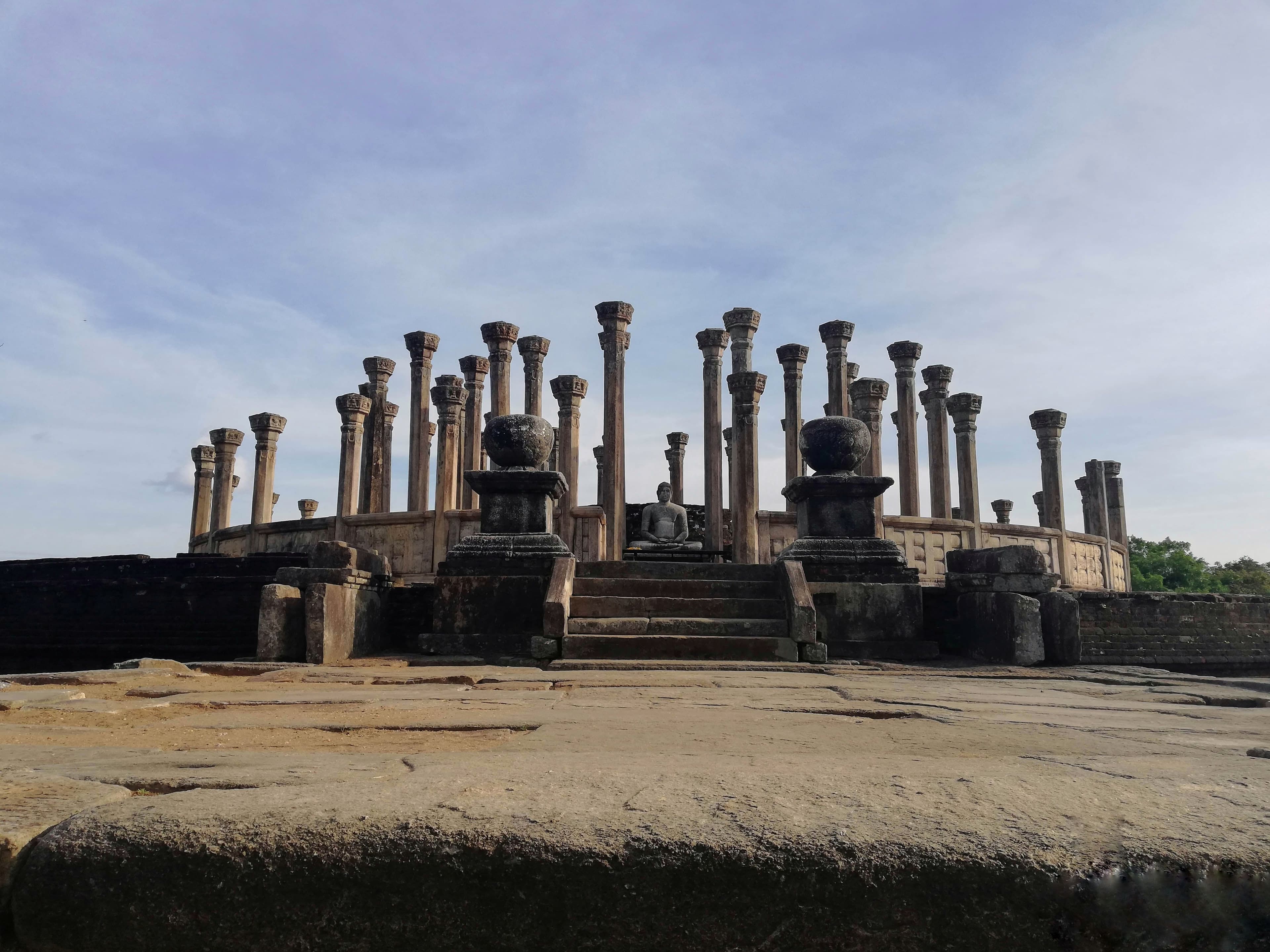
The majestic ruins of an ancient stupa in Anuradhapura.
Polonnaruwa: The Medieval Center
Following the decline of Anuradhapura, the capital moved to Polonnaruwa in the 11th century. Here, Buddhism continued to flourish, leaving behind magnificent stone carvings and temples. The Gal Vihara is the undisputed masterpiece of this era, featuring four giant Buddha statues carved directly into a single granite rock face, displaying an incredible level of artistry and devotion.
Dambulla and Kandy: Continuing the Legacy
As kingdoms shifted further south to escape invasions, the dedication to Buddhism remained steadfast. The Dambulla Cave Temple, a complex of five caves filled with over 150 Buddha statues and vivid murals, stands as a testament to this enduring faith. Finally, in the hill capital of Kandy, the Temple of the Sacred Tooth Relic houses the Buddha's tooth, an artifact of immense spiritual and political power that continues to draw pilgrims from across the globe.
Exploring these ancient sites is more than just a history lesson; it is a profound journey into the spiritual heart of Sri Lanka, where the past seamlessly breathes life into the present.